


Cases

————
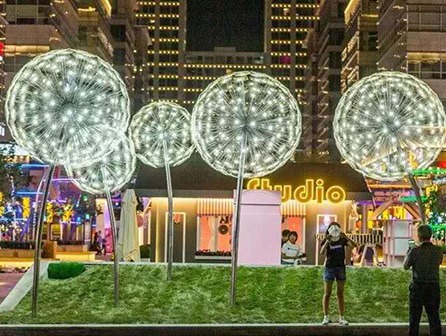
Bejing Daxing
————
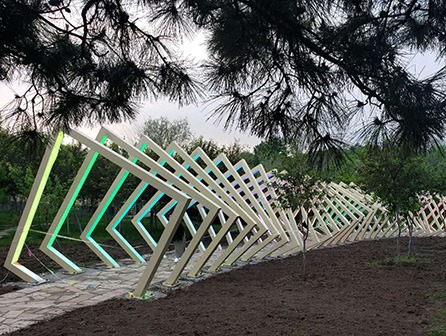
Shenyang Mozi Mountain
————
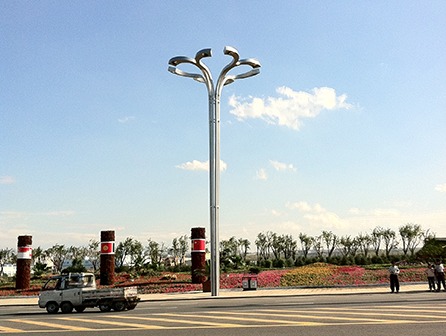
Tashkent
————
Xinjiang Yili

Pruducts







![SZ-20-F053]() SZ-20-F053
SZ-20-F053![SZ-20-F052]() SZ-20-F052
SZ-20-F052![SZ-20-F051]() SZ-20-F051
SZ-20-F051![SZ-20-F049]() SZ-20-F049
SZ-20-F049![SZ-20-F008]() SZ-20-F008
SZ-20-F008![SZ-20-F007]() SZ-20-F007
SZ-20-F007![SZ-20-F005]() SZ-20-F005
SZ-20-F005![SZ-20-F004]() SZ-20-F004
SZ-20-F004![SZ-20-F003]() SZ-20-F003
SZ-20-F003![SZ-20-F002]() SZ-20-F002
SZ-20-F002

![SZ-20-F056]() SZ-20-F056
SZ-20-F056![SZ-20-D021]() SZ-20-D021
SZ-20-D021![SZ-20-D019]() SZ-20-D019
SZ-20-D019![SZ-20-D018]() SZ-20-D018
SZ-20-D018![SZ-20-D017]() SZ-20-D017
SZ-20-D017![SZ-20-D016]() SZ-20-D016
SZ-20-D016![SZ-20-D015]() SZ-20-D015
SZ-20-D015![SZ-20-D011]() SZ-20-D011
SZ-20-D011![SZ-20-D009]() SZ-20-D009
SZ-20-D009![SZ-20-D008]() SZ-20-D008
SZ-20-D008

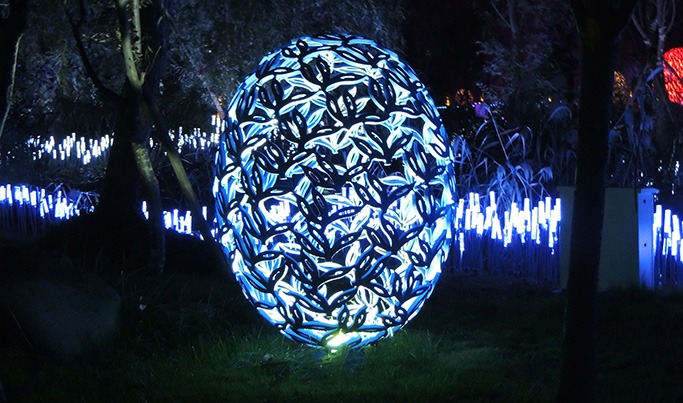
![SZ-20-C064]() SZ-20-C064
SZ-20-C064![SZ-20-C062]() SZ-20-C062
SZ-20-C062![SZ-20-C061]() SZ-20-C061
SZ-20-C061![SZ-20-C046]() SZ-20-C046
SZ-20-C046![SZ-20-C045]() SZ-20-C045
SZ-20-C045![SZ-20-C041]() SZ-20-C041
SZ-20-C041![SZ-20-C035]() SZ-20-C035
SZ-20-C035![SZ-20-C016]() SZ-20-C016
SZ-20-C016![SZ-20-C012]() SZ-20-C012
SZ-20-C012![SZ-20-C008]() SZ-20-C008
SZ-20-C008
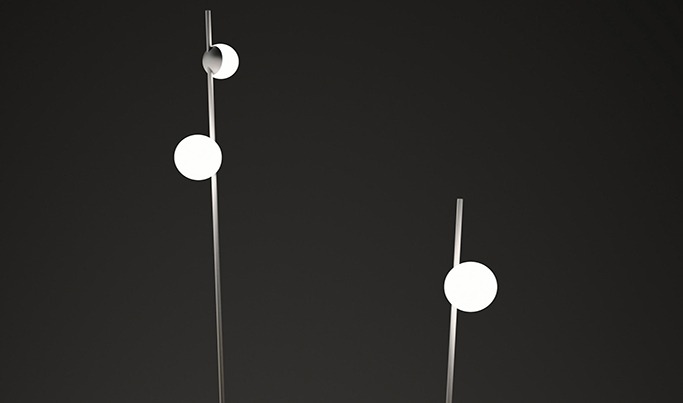
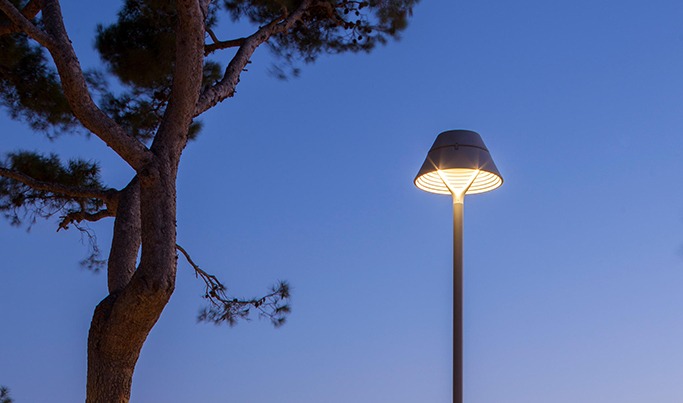
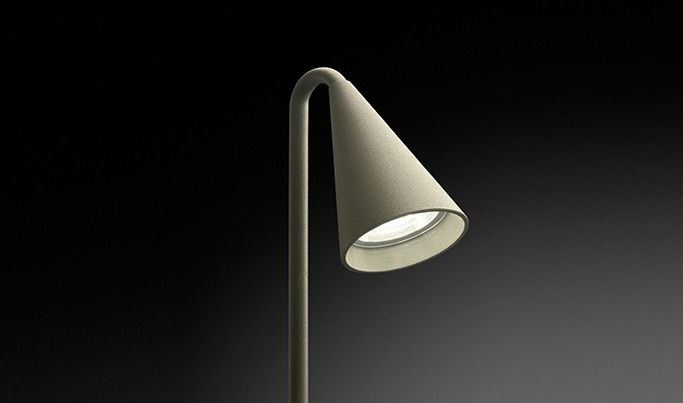
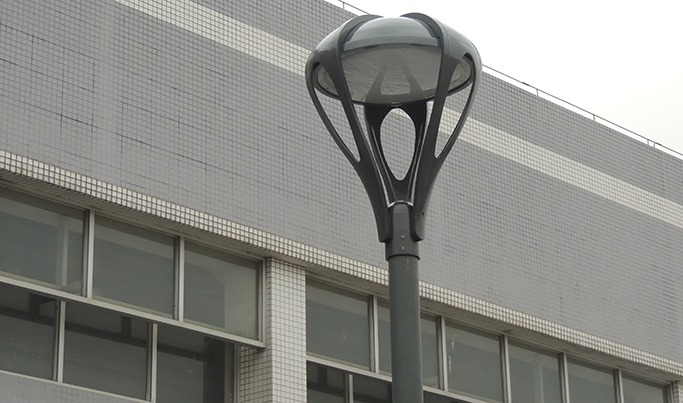
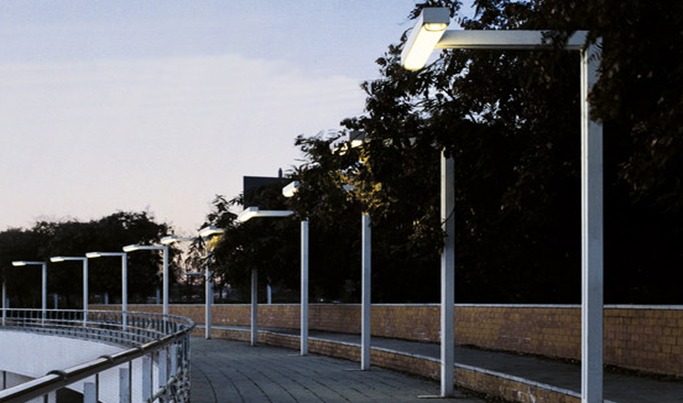
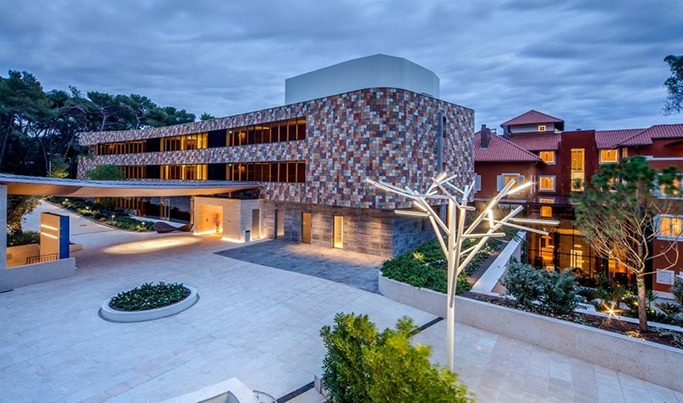
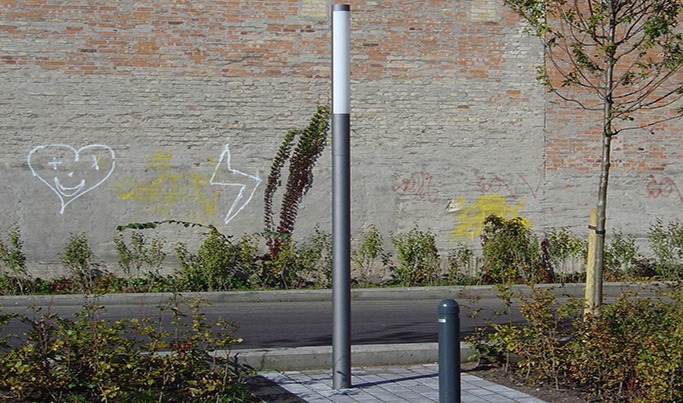
![SZ-20-B093]() SZ-20-B093
SZ-20-B093![SZ-20-B092]() SZ-20-B092
SZ-20-B092![SZ-20-B090]() SZ-20-B090
SZ-20-B090![SZ-20-B089]() SZ-20-B089
SZ-20-B089![SZ-20-B088]() SZ-20-B088
SZ-20-B088![SZ-20-B087]() SZ-20-B087
SZ-20-B087![SZ-20-B086]() SZ-20-B086
SZ-20-B086![SZ-20-B085]() SZ-20-B085
SZ-20-B085![SZ-20-B078]() SZ-20-B078
SZ-20-B078![SZ-20-B072]() SZ-20-B072
SZ-20-B072


![SZ-20-J046]() SZ-20-J046
SZ-20-J046![SZ-20-J038]() SZ-20-J038
SZ-20-J038![SZ-20-J034]() SZ-20-J034
SZ-20-J034![SZ-20-J030]() SZ-20-J030
SZ-20-J030![SZ-20-J025]() SZ-20-J025
SZ-20-J025![SZ-20-J016]() SZ-20-J016
SZ-20-J016![SZ-20-J015]() SZ-20-J015
SZ-20-J015![SZ-20-J014]() SZ-20-J014
SZ-20-J014![SZ-20-J009]() SZ-20-J009
SZ-20-J009![SZ-20-J007]() SZ-20-J007
SZ-20-J007

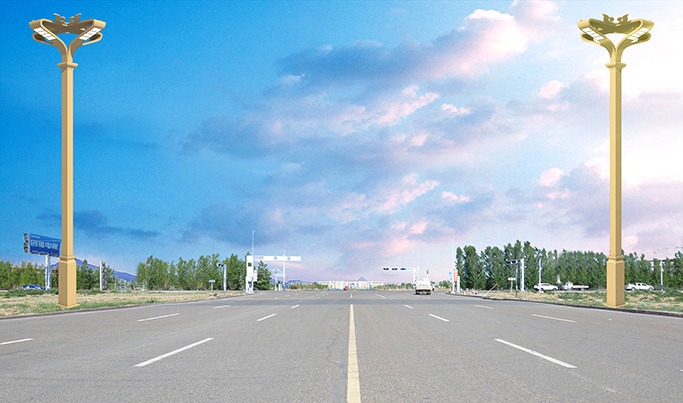
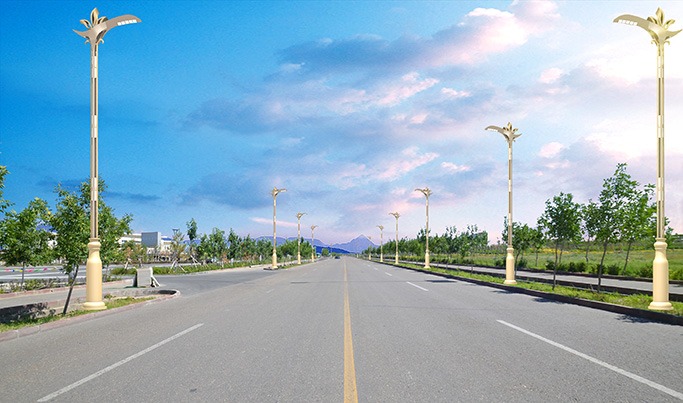
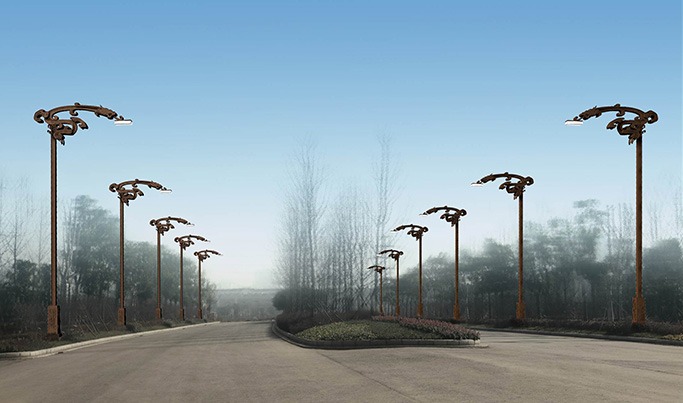
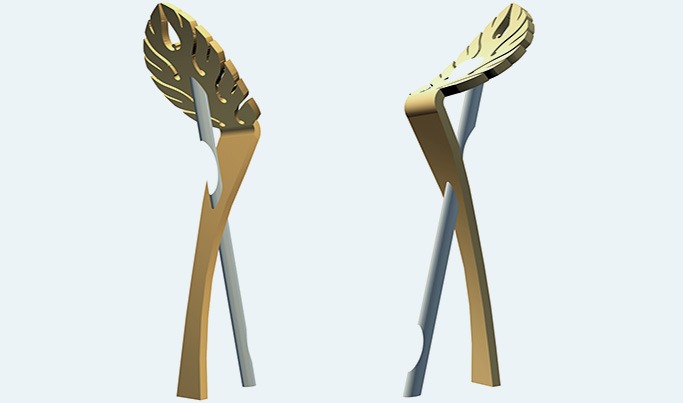
![SZ-20-A039]() SZ-20-A039
SZ-20-A039![SZ-20-A037]() SZ-20-A037
SZ-20-A037![SZ-20-A036]() SZ-20-A036
SZ-20-A036![SZ-20-A035]() SZ-20-A035
SZ-20-A035![SZ-20-A034]() SZ-20-A034
SZ-20-A034![SZ-20-A033]() SZ-20-A033
SZ-20-A033![SZ-20-A032]() SZ-20-A032
SZ-20-A032![SZ-20-A031]() SZ-20-A031
SZ-20-A031![SZ-20-A029]() SZ-20-A029
SZ-20-A029![imgi_87_20200822114204]() imgi_87_20200822114204
imgi_87_20200822114204
About Us
News
- Aug 05, 2025
 A Comparative Analysis of the Advantages and Disadvantages between Solar-powered Lamps and Traditional Electric Lamps
The wide application and advantages of solar-powered lamps
▍ Basic Functions and Characteristics of Solar Lamps
Solar lamps, a type of lighting device powered by solar energy, automatically charge the battery during the day through the solar panel, and provide power to the lamp source at night using the battery. They not only have light control and lightning protection functions, but also demonstrate significant advantages in terms of green energy conservation, safety and stability, environmental protection, durability, and low maintenance costs. Therefore, solar lamps can be seen everywhere in various lighting scenarios such as roads, courtyards, and lawns. Their rapid popularity has led more and more consumers to prefer this environmentally friendly and energy-saving lighting method.
▍ Application Scenarios and Environmental Contributions of Solar Lamps
The environmentally friendly solar lamps have added a new selling point for the development and promotion of high-end ecological communities. At the same time, they help continuously reduce property management costs, thereby reducing the public shared expenses for the owners. Due to their inherent characteristics such as safety and no hidden dangers, energy saving and no consumption, environmental friendliness, simple installation, and automatic control with no maintenance required, solar lamps have brought direct and obvious advantages to various constructions. Looking to the future, the application of solar lamps will undoubtedly become more widespread.
In contrast, the disadvantages of traditional electric lights become even more apparent:
02
The disadvantages of traditional electric lights
▍ The complexity and high cost of traditional electric lighting installation
Firstly, the installation process of traditional electric lights is quite complicated. In construction projects, it is necessary to first lay the cables, which involves the excavation of cable trenches, the laying of concealed pipes, threading wires within the pipes, and backfilling. In addition, there is a long period of installation and debugging. If there are problems with the lines, extensive rework may be required. Moreover, the complexity of terrain and lines, the high cost of labor and auxiliary materials, all contribute to the high cost of traditional electric lighting installation.
▍ High operating costs and safety hazards of traditional electric lights
Secondly, the operating costs of traditional electric lights are also quite high. Besides the fixed and high electricity bills, regular maintenance or replacement of wiring and other configurations is also required. These maintenance costs tend to gradually increase as the usage time extends.
Furthermore, traditional electric lights also have numerous safety hazards. These hazards may stem from construction quality issues, modifications to landscape projects, material aging, unstable power supply, and conflicts with water, gas, and electricity pipelines. These safety hazards not only may affect the normal use of the electric lights, but also pose a threat to the safety of people and property.
Solar lamps are not only safe and environmentally friendly, but also easy to install. During the installation process, there is no need to lay complicated lines or add capacity equipment. All that is required is to make a stable base and simply fix it with stainless steel screws. Even individual users can easily complete the installation, thus saving a lot of installation costs. Moreover, the operating cost of solar lamps is extremely low. They can directly convert sunlight into electricity efficiently, charging automatically during the day and lighting up automatically at night. This design enables solar lamps to only require a one-time investment, without any electricity operation costs, and can provide long-term lighting services for users. What's more important is that solar lamps have extremely high safety, being ultra-low voltage products. They are easy to maintain and safe to use, completely avoiding potential risks such as electric shock or fire.
In the current era of increasingly scarce energy resources, the research and application of solar lamps are of great significance, and their market potential is truly limitless.
LEARN MORE >> - Aug 05, 2025
 Lighting the Green Future: The Revolutionary Advantages of Solar Street Lights
Driven by the global energy transition and the goal of carbon neutrality, solar street lamps are reshaping the outdoor lighting landscape in a disruptive manner. Compared with traditional street lamps, they not only address the problems of high energy consumption and high costs, but also, with their green, intelligent and flexible characteristics, have become the new favorite for urban and rural lighting.
I. Green Energy: Zero-Carbon Power Generation, Protecting the Blue Sky
The core advantage of solar street lights lies in "zero-carbon power generation". Through photovoltaic panels, solar energy is converted into electricity. It stores energy during the day and supplies power at night, completely eliminating reliance on traditional power grids. According to estimates, an ordinary solar street light can reduce approximately 300 kilograms of carbon emissions per year, equivalent to the carbon sequestration capacity of planting 15 mature trees. This inexhaustible clean energy not only aligns with the "dual carbon" strategy but also enables lighting scenarios to completely bid farewell to coal power pollution, contributing to the protection of the blue sky.
II. Cost-effective: Long-term cost reduction, applicable in remote areas
In terms of cost control, solar street lights demonstrate significant economic value. Although the initial equipment purchase cost is slightly higher than that of traditional street lights, there is no need to pay electricity bills during long-term use, and the costs of cable laying, transformer maintenance, etc. are also reduced. Taking rural roads as an example, installing 100 solar street lights can save electricity and maintenance costs within 5 years, which is sufficient to cover the initial investment. Especially in remote mountainous areas or areas with weak power supply, it can operate independently without extending the power grid, making it the best solution for "cost reduction and efficiency improvement".
III. Intelligent and Flexible: Easy Installation, Safe and Reliable
Solar street lamps also possess high flexibility and safety. There is no need for complex underground wiring work; a simple foundation installation is sufficient to enable quick operation, significantly shortening the construction period. The intelligent control system also endows it with an "intelligent brain" - through technologies such as light sensing, time control, and human body sensing, it automatically adjusts brightness or switch time, further reducing energy consumption. At the same time, the low-voltage direct current power supply completely eliminates the risk of leakage, especially suitable for communities and schools with a concentration of the elderly and children, ensuring public safety.
IV. Multi-Functional Applications: Illuminating Urban and Rural Areas, Empowering Development
From urban streets to rural paths, from scenic trails to industrial parks, solar-powered street lamps are integrating into daily life in various forms. A case study from a coastal city shows that after upgrading the solar street lamps, the lighting energy consumption decreased by 70%, the failure rate dropped by 85%, and the urban night scenery presented a unique aesthetic of light and shadow thanks to the intelligent dimming system. In western rural areas, the popularization of solar street lamps not only illuminated the dark nights but also promoted the development of rural night economy, becoming the "bright messenger" of rural revitalization.
When the three advantages of environmental protection, economy and intelligence are combined, solar street lamps are no longer just lighting tools; they have become a microcosm of the energy revolution. With the advancement of photovoltaic technology and the reduction of energy storage costs, this green technology is spreading across the globe like a wildfire, illuminating the path towards sustainable development for humanity.
LEARN MORE >> - Aug 05, 2025
 Advantages and Controversies of Solar Lights: Installation Requirements and Technical Details
01
Advantages of Solar Lanterns
Are solar lanterns worth buying? That depends on your specific needs. For example, for streetlights along rural roads, solar lanterns are the preferred choice due to their flexible installation and electricity savings. For garden lighting, solar lanterns also excel, requiring no wiring and offering safety and convenience. Furthermore, solar lanterns feature intelligent control, making charging and switching more convenient and reliable. Therefore, if your specific needs are met, solar lanterns are undoubtedly a worthy option.
◇ Installation Flexibility and Convenience
First, consider the installation location of the solar lantern. Some netizens have installed solar lanterns at their doorsteps as nightlights, but others have raised concerns, suggesting that lights connected directly to the mains might be more suitable. Indeed, from an economic perspective, the cost difference between solar lanterns and electric lamps is significant. However, we often overlook the need for wiring in electric lamps. Wiring not only costs money but also poses safety risks, such as electrical leakage or fire. In contrast, solar lanterns, which require no wiring, are both safer and more convenient. Take, for example, the solar ceiling light a customer installed in their backyard. The entire light cost less than 100 yuan, provides excellent nighttime illumination, and is waterproof and frost-resistant, making it ideal for outdoor use. Installing an electric ceiling light would not only be expensive, but also require wiring, which poses safety risks and additional costs. Taking all factors into consideration, solar lights are a more cost-effective option for specific scenarios, such as outdoor lighting.
◇ Intelligent Control Functionality and Cost-Effectiveness
Hefan Split Floodlights: An Efficient and Convenient Lighting Solution. With its unique design and outstanding performance, Hefan split floodlights are an ideal choice for outdoor lighting. Their split structure simplifies installation and maintenance. Their efficient solar energy conversion and excellent lighting performance have won them the favor of many users. Whether for home or commercial lighting, Hefan split floodlights can meet your lighting needs, providing an extremely cost-effective lighting solution.
02
Outdoor Lighting Options
◇ Hefan Split-Type Floodlights
In the outdoor lighting sector, solar lights are highly regarded for their environmental and energy-saving features. For areas requiring high brightness and waterproofing, such as backyard lighting, solar lights are undoubtedly an ideal choice. Of course, if you don't have high requirements for brightness or quality, affordable, standard lamps can also meet your daily needs.
◇ Environmentally Friendly Features of Solar Lights
Next, let's explore the controversy surrounding whether solar lights are a scam. Indeed, some netizens believe that the production of solar panels harms the environment, and even claim that solar technology is a scam of the century. However, these views often lack in-depth understanding and rational analysis. The emergence of new things is bound to face obstruction and skepticism from traditional forces, as these forces represent vested interests. Just like the battle between Edison's direct current and Tesla's alternating current, the rise of new technologies always affects the interests of certain parties. However, history has proven that these time-tested inventions have ultimately brought tremendous benefits to mankind. Therefore, we should not deny the long-term value of solar lights because of short-term conflicts of interest.
03
Controversy Regarding Solar Lanterns
◇ Environmental Impacts and Misunderstandings
Since we've discussed direct current (DC) and alternating current (AC), we have to mention those unscrupulous vendors who attempt to mislead consumers by exaggerating power. Typically, power is calculated by multiplying the current by the standard mains voltage of 220V. For example, 20W of AC power equals 220V multiplied by 0.09A. However, with DC power, the situation is different. Solar lanterns typically use battery starting systems with voltages ranging from 3.2V to 12V. For example, 20W of DC power equals 3.2V multiplied by 6.25A. This means that a solar lantern with a 20W power rating requires a starting current of 6.25A using a 3.2V battery. Since higher currents carry a greater load on the conductor, thicker wires are required. This is why solar lantern wires are thicker than typical household wiring.
04
1. Technical Details and Purchasing Recommendations
◇ DC vs. AC Power Technology
Whether a solar lantern is worth buying depends primarily on your usage environment. If you live in a remote area without access to a power grid, a solar lantern is undoubtedly an ideal choice. However, if you only use the lantern at home and don't require high performance, a mains-powered lantern may be more economical. However, with the continuous innovation of solar technology and the continuous reduction in costs, solar lighting is expected to completely replace traditional residential lighting in the near future.
LEARN MORE >>

Leave a Message
Thank you for your interest in our products. "*" Indicates the Fields are Mandatory